

Why Investing in Land in Belize Is the Smartest Move in 2026
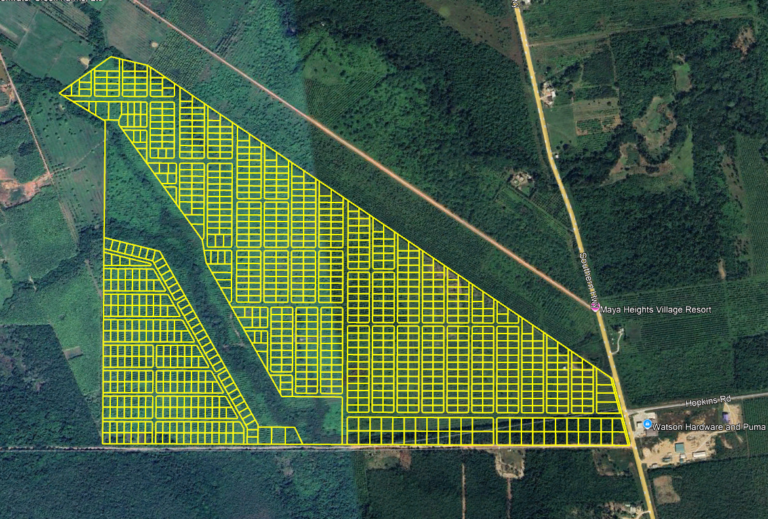
INTRODUCTION: WHAT “BELIZE SUBDIVISIONS” REALLY MEANS
When people search for “Belize subdivisions”, they are usually trying to understand one of the fastest-growing real estate trends in the country of Belize:
the transformation of large agricultural or undeveloped land into planned residential communities.
In simple terms:
A subdivision in Belize is a large parcel of land that has been legally divided into smaller lots for sale, development, or investment purposes.
These subdivisions can include:
- residential communities
- agricultural estates
- coastal development zones
- mixed-use land projects
- off-grid eco-communities
Over the last decade, subdivisions have become one of the most important drivers of real estate growth across Belize, especially in regions like:
- Hopkins (coastal development)
- San Ignacio (inland growth)
- Corozal District (border investment zones)
- Placencia (tourism-driven subdivisions)
Today, subdivisions are not just land sales they are the backbone of Belize’s modern real estate expansion.
1. WHAT IS A SUBDIVISION IN BELIZE?
A subdivision in Belize is created when:
- A landowner or developer owns a large parcel (10–500+ acres)
- The land is surveyed and legally divided into smaller lots
- Infrastructure or access roads are created
- Individual lots are sold to buyers
Each lot can be:
- ¼ acre residential plots
- ½ acre homesites
- 1–5 acre investment parcels
- agricultural land blocks
These developments must follow land regulations governed by Belize’s Land Registry system, which ensures ownership is properly recorded and transferable.
2. WHY SUBDIVISIONS ARE BOOMING IN BELIZE
Belize is experiencing a structural shift in real estate demand.
The reasons include:
A. Population + foreign demand growth
Buyers from:
- North America
- Europe
- expats & retirees
are increasingly looking for affordable land.
B. Limited beachfront availability
Direct beachfront land is:
- expensive
- scarce
- highly regulated
So buyers move inland:
5–20 minutes from the coast
C. Infrastructure expansion
Roads, electricity, and utilities are expanding into rural zones, unlocking new land value.
D. Remote work lifestyle shift
People no longer need city centers.
They want:
- nature
- space
- affordability
- lifestyle balance
E. Developer-led land packaging
Developers now actively:
- buy large farms
- subdivide them
- market them as communities
This is exactly how modern Belize real estate growth is being shaped.
3. TYPES OF SUBDIVISIONS IN BELIZE
Not all subdivisions are the same.
1. Residential Subdivisions
These are the most common.
Example features:
- ¼ acre to 1 acre lots
- road access
- future home builds
- financing options
Used for:
- homes
- vacation properties
- rentals
2. Agricultural Subdivisions
Large parcels designed for:
- farming
- ranching
- eco-living
Often located in:
- Cayo District
- Toledo
- northern Belize
3. Coastal Subdivisions
Found near tourism hubs like Hopkins and Placencia.
Used for:
- Airbnb rentals
- vacation homes
- boutique resorts
4. Investment Subdivisions
These are designed purely for appreciation.
Buyers hold land for:
- resale
- long-term value increase
- speculation on growth zones
4. WHERE SUBDIVISIONS ARE GROWING FASTEST
A. Cayo District (inland expansion hub)
Cayo District is the largest land development zone in Belize.
Why?
- fertile land
- tourism (Mayan ruins, jungle)
- strong road infrastructure
- growing expat population
Key towns:
- San Ignacio
- Bullet Tree
- Spanish Lookout
B. Stann Creek District (coastal expansion)
Includes:
- Hopkins
- Placencia
This region is experiencing:
- tourism-driven subdivision growth
- coastal land scarcity
- rising property values
C. Corozal District (border investment zone)
Popular for:
- affordability
- proximity to Mexico
- retirement buyers
5. CASE STUDY: HOPKINS GROWTH & SUBDIVISION TREND
The village of Hopkins has become one of the strongest examples of modern subdivision demand.
Hopkins offers:
- beachfront lifestyle
- cultural tourism
- strong rental demand
But direct coastal land is limited.
So development is moving inward:
“5–10 minutes from Hopkins” is now prime investment territory.
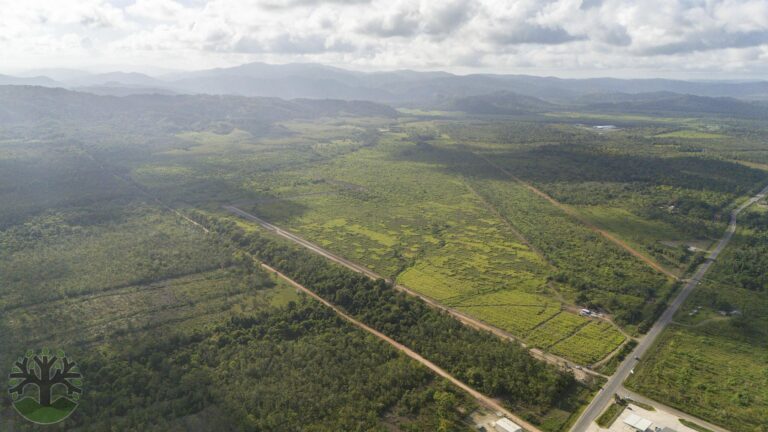
Example: Hopkins Grove Model
A project like Hopkins Grove represents the modern Belize subdivision model:
- quarter-acre lots
- highway access
- creekside parks
- food forest planning
- financing options
- 5 minutes from the beach
This is the exact evolution of Belize real estate:
lifestyle + affordability + proximity
6. WHY SUBDIVISIONS ARE INCREASING PROPERTY VALUES
Subdivisions increase land value through:
1. Land packaging
Raw land becomes:
sellable units
2. Infrastructure improvement
Roads + access = instant value increase
3. Demand concentration
More buyers competing for fewer lots
4. Future development potential
Communities become:
- rental zones
- residential hubs
- tourism zones
5. Speculation growth
Investors buy early expecting appreciation
7. HOW PRICING WORKS IN BELIZE SUBDIVISIONS
Prices depend on:
- proximity to coast
- road access
- utilities
- district demand
- development stage
Typical ranges:
- Inland lots: $15K – $50K USD
- Near-coast lots: $25K – $100K USD
- Coastal premium: $100K – $500K+
2. Infrastructure improvement
Roads + access = instant value increase
3. Demand concentration
More buyers competing for fewer lots
4. Future development potential
Communities become:
- rental zones
- residential hubs
- tourism zones
5. Speculation growth
Investors buy early expecting appreciation
7. HOW PRICING WORKS IN BELIZE SUBDIVISIONS
Prices depend on:
- proximity to coast
- road access
- utilities
- district demand
- development stage
Typical ranges:
- Inland lots: $15K – $50K USD
- Near-coast lots: $25K – $100K USD
- Coastal premium: $100K – $500K+
8. RISKS AND REALITY CHECK (IMPORTANT)
Not all subdivisions are equal.
Buyers should evaluate:
⚠️ A. Legal structure
- clear title vs leasehold
- registry verification
⚠️ B. Infrastructure promises
- “planned roads” vs actual roads
⚠️ C. Flood zones & terrain
- elevation matters significantly
⚠️ D. Developer credibility
- track record
- completed projects
9. WHY SUBDIVISIONS ARE THE FUTURE OF BELIZE REAL ESTATE
Belize is transitioning from:
raw land sales
to
structured community development
This mirrors trends seen in:
- Mexico
- Costa Rica
- Dominican Republic
Subdivisions allow:
- scalable housing
- tourism expansion
- investment entry points
10. HOW CEIBA REALTY FITS INTO THIS MARKET SHIFT
Companies like Ceiba Realty & Development are positioned at the center of this shift by:
- developing subdivisions
- educating buyers
- marketing land opportunities
- bridging investment + lifestyle
The future of Belize real estate is not just selling land:
it is building ecosystems of communities.
11. FINAL OUTLOOK: BELIZE SUBDIVISIONS 2026–2030
The next 5 years will likely see:
- rapid inland expansion near coastal towns
- rising prices in accessible beach regions
- stronger demand for financing options
- increased foreign investment
- more structured developments replacing raw land sales
Subdivisions will become:
the primary way Belize develops its land economy.